Online Quran Classes for Kids and Adults
Your child may be learning the Arabic letters for the first time. You may already read the Quran and want to sound out difficult words with more confidence. Wherever you’re starting, tell us what you can read today and what you’d like to improve. We’ll help you work out which course to try.
Not sure which course to choose? You don’t have to decide before getting in touch.
Request a Free Trial
Tell us how to reach you and what you’d like to learn.
We’ll use your WhatsApp number to arrange the trial.
Where would you like to start?
The right starting point depends on what the learner can read now, not just their age. Choose a path below or ask us to help.
For children
Start with letters and short vowels, or build on what your child already reads. If they’ve studied Qaida before, tell us where they left off.
For adults
Learn the basics for the first time or return to reading after a break. It’s fine to start with a few letters or one short passage.
For learners with a specific goal
If you already read and want to improve your pronunciation or keep up with Hifz revision, tell us what feels hardest to practise on your own.
Find the right Quran course
A learner who still mixes up letters needs different practice from someone who can read a full surah. Here’s what each course is for.
Noorani Qaida
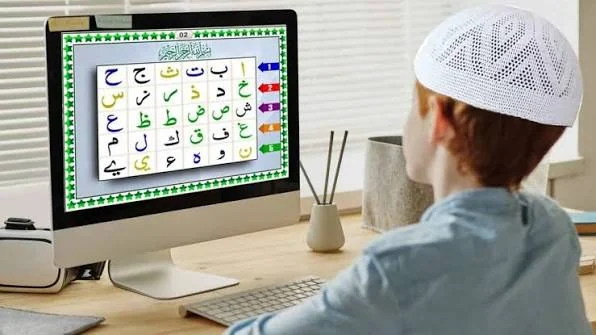
Learn to recognise Arabic letters, read short vowels and join letters into words. Start here if you still pause to work out the letters and vowel signs.
Quran Reading
Work on reading from the mushaf. This is a useful next step if you can join words but often stop or lose your place when reading a longer passage.
Quran with Tajweed
Give more attention to how you form sounds and apply recitation rules as you read. Bring a passage or a pronunciation question you’d like to work through.
Hifz (Memorization)
Discuss a manageable amount of new memorization and how to make time to revise earlier passages. If you’ve already memorized some surahs, tell us which ones are hardest to recall.
Islamic Studies
Ask about lessons on worship, manners and Seerah. Tell us the learner’s age and which topics they have already studied.
Arabic
Work on Arabic reading and vocabulary. When you enquire, tell us whether you want to build everyday vocabulary or better understand words you meet in Quran study.
Tafseer
Explore the meanings of selected passages and the context that helps you understand them. Ask which material is suitable for your background and reading level.
Ask about a first lesson
Tell us what you can read today. We’ll help you choose a course to try.
What might you practise in a lesson?
The examples below show how practice can change with the learner’s level.
If the letters are new
Pick a few letters that look or sound alike. Read them with short vowels, then try them again in a different order so you’re recognising the letters rather than memorising the sequence.
If you can read a passage
Read a few lines aloud and notice where you slow down. Working on one sound or word at a time gives you something clear to practise before reading the passage again.
If you’re memorizing
Recite a short new passage, then go back to something you already know. If yesterday’s passage is slowing you down, spend time on it before adding more.
How to get started
Tell us a little about the learner
Share the age group, what the learner can read now, and the days or times that usually work for you. Include your local time zone.
Arrange a trial
We’ll discuss a suitable starting point and confirm the details before you join. Let us know if you want to ask about a female teacher or have a parent join the first call.
Decide what works for you
After the trial, ask what to practise next and which course makes sense. Confirm the lesson times and fees before deciding whether to enrol.
Make lessons fit around your week
Know what to practise next
A useful lesson should leave you with something specific to work on. Ask the teacher to point out a sound, a short passage or a section of Hifz to revise before the next class.
Help your child prepare
Set up the device somewhere your child can read aloud without being interrupted. Keep the book or last lesson nearby. If you’d like to sit in on the first class, let us know when you enquire.
Find a time you can keep
Think about school, work, and what time the learner is usually ready to concentrate. Share a few possible times rather than arranging the rest of your week around one slot.
Ask about lesson times and fees
Before you enrol, ask about the available times, how often lessons can take place, and what the total fee covers. If you’re arranging lessons for more than one learner, share each person’s age group and reading level so we can discuss their needs separately.
Three small ways to practise at home
First Quran lesson
Keep the first goal small. For a new reader, recognising a few letters confidently is more useful than rushing through a full Qaida page.
Returning after a break
Choose a short passage you’ve read before and read it aloud. The places where you hesitate will give you a better starting point than guessing your level.
Keeping Hifz fresh
Keep a short list of passages you tend to forget. When you revise, start with the one that needs the most attention rather than the one you know best.
Frequently asked questions
Can I start if I can’t read Arabic letters?
Yes. Ask about Noorani Qaida if you need to start with letter recognition, sounds and short vowels.
My child has already finished part of the Qaida. Do they need to start over?
Tell us which Qaida they used and what they can read by themselves. Bring the last page they worked on so there’s a clear place to begin the discussion.
Can adults take lessons if they’re learning for the first time?
Yes. You can start with the letters or bring a short passage to the trial if you already read a little.
What’s the difference between Quran Reading and Tajweed?
Quran Reading is about getting comfortable reading the text. Tajweed gives more attention to pronunciation and how recitation rules are applied while you read. You can ask about both if you aren’t sure which to choose.
Can I ask for a female Quran teacher?
Yes. Mention your preference when you contact us. We’ll discuss availability for your course and schedule before confirming a lesson.
Can I join from another country?
Yes, you can enquire from abroad. Tell us your country or time zone so we can discuss suitable lesson times and confirm them in your local time.
What do I need for the first online class?
Use a phone, tablet or computer with a microphone and a stable internet connection. If you already use a Qaida or mushaf, keep it handy. Confirm the meeting app before the session.
How much do classes cost after the free trial?
Ask for the fee for the course and lesson frequency you’re considering. Confirm the amount, currency, and how missed or rescheduled lessons are handled before you enrol.
Start with what you can read today
Whether you’re looking for lessons for yourself or your child, tell us a little about the learner and what you’d like help with. If you already have a Qaida page or a passage you find difficult, bring it to the trial.